Hardscaping does more than tidy up a yard. In Greensboro, where red clay, rolling topography, and damp summertimes create their own rulebook, well‑planned hardscapes shape how a home drains pipes, ages, and gets utilized everyday. A patio area that bakes in August but freezes slick in January will sit empty. A wall without a footing will drop after a single thunderstorm. Good hardscaping blends the right products with the truths of the Piedmont environment, and it pairs gracefully with plantings so the space feels alive instead of sterile. If you're thinking of landscaping in general or looking for landscaping Greensboro NC services specifically, the details below will help you plan and prioritize.
Read the Website Before You Draw the Plan
Every strong task begins with a loop around the residential or commercial property, ideally during or after a rain. You're looking for how water moves and where feet already want to go. In Greensboro, yards often tilt carefully, and even a modest slope will send water racing over compacted clay. Keep in mind the high and low areas, the direction of overflow, and where soil stays spongy. If you see mulch displaced after storms or sediment streaks on the driveway, you'll need to consider drainage work.
Sun exposure modifications by season. A patio that is warm and welcome in February can turn penalizing in July. In the Piedmont, summertime sun feels much heavier because humidity slows evaporation. Enjoy how shadows from surrounding trees and structures shift, and consider wind also. Winter season winds tend to come from the northwest. A basic personal privacy fence or hedge can temper that bite and extend the shoulder seasons for outside use.
Utilities and gain access to matter more than property owners anticipate. Patio area stones and wall block are heavy. If installers require to carry materials throughout a completed lawn due to the fact that there is no gate broad enough for a small skid steer, you'll pay for the labor and the lawn repair. Walk the gain access to path and step. If you plan to add a built‑in grill or low‑voltage lights, identify the nearest power source and path early, not after concrete sets.
The Clay Under Your Feet: Greensboro's Ground Truth
The local soil, a dense red clay, behaves like a stubborn sponge. It swells when damp, hardens when dry, and resists seepage. That truth shapes nearly every hardscape decision.
Compaction is currently high, so don't add to the issue. Over‑compacted subgrade under permeable systems negates their function and can cause frost heave. Under patios and walkways, utilize graded aggregate rather than native soil to get strength without developing a tub. A typical base in this area might be 6 to 8 inches of compacted, open‑graded stone for pedestrian areas, thicker for driveways. Where clay sits right at the surface, geotextile fabric between soil and stone assists keep the base tidy over time.
Freeze thaw cycles do occur, even if Greensboro winter seasons are mild compared to the mountains. A couple of nights each year drop listed below freezing long enough to move inadequately ready surface areas. Set footings listed below frost depth, which local pros often position at 12 to 18 inches, and make sure water can leave. Wet clay under a piece will magnify heave.

Patios That In fact Get Used
Think beyond square footage. The very best outdoor patios prepare for furniture size, flow, and how people collect. A little round table with 4 chairs normally requires a minimum of a 12‑by‑12 location to prevent chairs tipping off the edge. If you host larger groups, prepare for zones: a dining corner, a casual seating nook, and a space near the grill that doesn't obstruct traffic. A patio that deals with 8 individuals conveniently generally ends up around 300 to 400 square feet, but the shape matters as much as the number.
Material option sets the tone and impacts upkeep. In Greensboro, three families of materials control: concrete and stamped concrete, pavers, and natural stone.
Concrete is cost effective and flexible, though temperature level swings and subgrade problems can crack slabs. Control joints help but also draw the eye. If you go this path, insist on proper base preparation and a mix fit to local conditions. Stamped concrete mimics stone patterns however will need resealing every couple of years to look fresh, specifically if a dark color is used.
Pavers cost more in advance however use versatility. If a tree root lifts a corner, you can reset the affected location without destroying the whole outdoor patio. Sealed joint sands assist restrict weed growth and ant colonization, which are common in our area. Pick a color blend that balances with the red touches in local clay and the gray in common brick facades.
Natural stone, from bluestone to flagstone, brings character that made choices struggle to match. Dry‑laid over an open‑graded base, it drains well and ages gracefully. The trade‑off is rate and labor. Irregular flagstone takes some time to fit, and the final surface area can be unequal if you plan to use wheeled furnishings. Cut dimensional stone provides a cleaner, flatter surface and sets well with modern architecture.
Shade is your pal. On south and west direct exposures, pergolas, sail shades, or simply orienting the outdoor patio to tuck against the house's shadow can keep surfaces below the foot‑burn limit. I have seen homeowners develop a grand patio area only to purchase an umbrella the size of a little automobile after the very first July heatwave. Plan shade from the start. If you expect to count on trees, give them space: hardscape right up versus trunks only causes root conflict later.
Walkways That Guide Without Dictating
Good courses follow desire lines, not the designer's ego. View where footprints already appear in grass, then formalize those routes. For Greensboro front backyards, brick or paver walks enhance the region's brick homes and look right in location. On side backyards and gardens, crushed stone or compressed fines provide a softer feel for less cash. In damp areas, widen the course and use an open‑graded base with edging that holds shape without damming water.
Slope a sidewalk somewhat, about 1 to 2 percent, to shed water. Wide formats, like 24‑inch stepping stones set with 4 to 6 inches of plantable joint space, include breathing room and allow thyme or dwarf mondo grass to soften the edges. Just prevent placing stones on bare clay. A couple inches of compacted fines underneath keeps them from rocking loose.
Retaining Walls and Terraces: Dealing With the Hill
Even when a backyard appears flat, a few inches of grade modification matter. Greensboro's frequent downpours will make use of any low point, and clay makes a pond where a sandy soil would merely drain. Retaining walls help create flatter, usable space for play or dining, but they need to be constructed with drain in mind.
Small walls, under 3 feet, can often be developed with dry‑stacked stone or modular block systems. Anything taller, or a series of walls with a steep general grade, deserves a design that includes geogrid support and an evaluation of obstacles and codes. Local rules differ, once you pass a specific height you'll likely require authorizations or even an engineer's stamp. It's not a formality. The surcharge from a driveway or slope above can overwhelm a wall that looks fine on paper.
Key details save headaches: a compacted base of clean stone, a leveling course that sets the very first course dead real, and a drainage chimney behind the wall with a perforated pipe daylighted to a safe outlet. I have actually seen lovely stonework bulge within 2 years since the builder relied on clay to drain pipes. It won't.
For a softer look, terracing with low, repetitive walls and planting beds in between breaks a slope into absorbable actions. The plantings absorb and sluggish water, roots stabilize the soil, and the result checks out as landscape rather than infrastructure.
Water Management: The Unseen Backbone
Most failures in hardscaping trace back to water that could not discover a path. In Greensboro, size your drain for extreme, short storms. That can suggest recording downspouts into strong pipe and sending the water under the outdoor patio to a pop‑up emitter in the yard. It might imply a shallow swale that carefully gathers sheet circulation and guides it away from structures. Often it's as easy as pitching the patio area a half inch fall for every 4 feet of run, invisible to the eye however definitive throughout rain.
Permeable paver systems make good sense in many communities, particularly where codes motivate stormwater decrease. They rely on an open‑graded base with voids for short-term storage. The surface still gets wet throughout a deluge, but the water disappears within minutes instead of racing to the street. In clay soils, you might require underdrains to move water out of the base once it has actually done its short‑term job.
Avoid developing a dam at the property line. If your new outdoor patio sits higher than the next-door neighbor's yard, step it down with a band of gravel and a shallow swale parallel to the edge. Conversations with neighbors go much better before building than after the first gully‑washer floods their flower beds.
Materials That Withstand Piedmont Weather
Temperature swings and UV exposure will check surfaces. Dark pavers hold heat. Smooth stamped concrete can end up being slick with algae in dubious, moist areas. Wood looks warm on day one, then surprises you with maintenance if it sits near grade above clay.
Composite decking has actually enhanced, but under the Greensboro sun lower‑tier products can fade and grow hot. If you select composite, choose lighter colors and consider surprise fastener systems that permit thermal motion. For ground‑level decks, raise enough to permit air to flow. Trapped humidity accelerates mildew despite the brand's warranty.
For stone and pavers, sealing is optional instead of obligatory, however it changes both look and upkeep. Color‑enhancing sealants deepen tones yet can leave a shine that some homeowners remorse. Permeating sealers offer stain resistance without a movie. If you cook outside, specifically with oil and sauces, some level of protection saves time. Resealing every two to 4 years is typical depending upon exposure and traffic.
Metalwork, from railings to planters, requires finishes that endure humidity. Powder‑coated aluminum stays tidy but can chip. Corten steel weathers to a rich rust, which plays well with the region's clay tones, but staining on adjacent surface areas is genuine. Provide it a gravel or mulch toe rather than placing it over light stone.
Blending Hardscape With Plants
Hardscaping without plants can feel sterile. The trick is to match structural components with durable, region‑appropriate plantings that soften edges and manage heat. In Greensboro's USDA Zone 7b to 8a, a long list of shrubs and perennials thrive: azaleas for spring color under high shade, oakleaf hydrangea for summertime flower and fall foliage, and evergreen hollies for backbone. Decorative turfs like muhly or feather reed present movement that joints and edges can not provide.
Use planting pockets to break up big runs of paving. A 2‑foot strip along a wall invites dwarf loropetalum, abelia, or a duplicating groundcover. Where a patio fulfills yard, a low masonry edge keeps grass from sneaking in while enabling a narrow bed for lavender, rosemary, or salvias that appreciate the heat radiating off stone. Practical herb beds near the grill are a basic enjoyment. Step outside, snip thyme, and put it straight on dinner.
I typically advise one vibrant planter near a seating area instead of lots of little ones scattered about. It anchors the space and streamlines care. In summer, pick heat fans that don't sulk if you miss a watering. Caladiums, coleus, and sunpatiens deal with humidity. If the container sits on pavers, use pot feet to keep water from wicking and leaving a wet ring after every rain.
Outdoor Cooking areas, Fire Functions, and Lighting
Greensboro house owners amuse across three seasons. A built‑in grill or a simple stand with prep area settles if you prepare outdoors weekly. Natural gas lines remove tank swaps however require planning and permitting. For propane, locate tanks out of direct sun, and think about a discreet enclosure that still enables ventilation. Long lasting countertops matter. Compact sintered surfaces, like porcelain slabs, shrug off heat and stains better than some granites, which can darken from oil.
Fire pits extend the season into chilly nights. Wood‑burning choices have romance but create ash, triggers, and smoke that drift under low humidity. Gas fire bowls are tidy and quick, with foreseeable heat, but they do not have the crackle. Place any fire function with prevailing winds and seating comfort in mind, and keep at least a 6 to 8‑foot clear buffer from structures or overhanging limbs.
Lighting changes a backyard. Low, warm light at 2700 to 3000 Kelvin makes stone and plants look natural. Go for layers: path lights for security, downlights from eaves or trees for broad wash, and a subtle emphasize on a specimen plant or water feature. Avoid the runway look of evenly spaced path lights. Instead, place less components where they fix an issue or offer an experience. LED systems save energy, however inexpensive fixtures wear away in our humidity. Brass and copper expense more and age gracefully.
Budgets, Phasing, and Where to Invest First
Not every property requires a complete overhaul in one shot. In fact, phasing typically yields much better results since you live with the space in between steps and change plans. Start with fundamental work that is expensive to retrofit: drainage, grading, and energies. If the budget is tight, put or lay the patio area and stub lines for future lights or a kitchen area, then add the bells and whistles later.
Spend on the base and the craftsmanship you can not easily check after the fact. A well‑compacted base under pavers will outlast a thicker paver laid on the low-cost. Maintaining walls should have attention to footings and backdrain even if it suggests stepping down a tier and utilizing less, better products. Minimize ornamental extras that you can swap in time, like furniture, planters, or accent stones.
For ballpark numbers, small Greensboro patios in concrete frequently land in the mid four figures, while bigger paver or stone jobs can reach into the teens or greater depending on website gain access to and complexity. Keeping walls vary significantly by height, material, and engineering. Getting 2 or three bids from reliable landscaping Greensboro NC companies assists adjust expectations, however ensure each contractor is pricing the very same scope and details.
Codes, Permits, and Neighbor Realities
Greensboro and Guilford County have specific requirements for decks, gas lines, and specific heights of keeping walls. Historic districts add another layer. Homeowners associations might manage materials, colors, and even the size of visible grills. Reading covenants and calling the city's examinations department early can save redesigns. Setbacks to home lines and easements for drainage are real restrictions. They do not have to mess up a strategy, but they will form it.
If you plan to alter grade near a property line, talk to your neighbor. Swales and berms don't respect fences when water looks for a low point. Joint jobs, like a shared personal privacy screen or a continuous fence line with constant products, often look much better and cost both celebrations less.
Maintenance You Can Live With
Hardscapes guarantee less maintenance than yards, not zero upkeep. Construct those tasks into the calendar and the design.
Sweep or blow particles routinely. Raw material left in joints feeds weeds and algae. A spring and fall cleanout of drains and pop‑up emitters prevents surprises. Rinse off grills and kitchen area locations after cooking sessions, particularly if acidic sauces or oils spill on stone.
Weed pressure in paver joints drops when the sand is well set up and maintained. Polymer‑modified sands withstand washout and reduce germination, however a couple of opportunists will still appear. Pull them before they set seed. Pressure washers tempt numerous house owners, yet they can open pores and blast out joint sand. Use a fan suggestion, keep range, and reserve high pressure for persistent areas.
Wood structures need assessment. Tighten hardware once a year, and recoat when water stops beading on the surface area. If you selected a natural stone that can flake, like some slates, plan for periodic replacement of specific pieces. That is regular wear, not a failure.
A Brief, Practical Planning Checklist
- Walk your lawn after a rain to map water motion and soaked zones. Measure furnishings footprints and blood circulation courses before sizing patios. Plan utilities and drain initially, then surface areas and features. Choose materials for heat, slip resistance, and maintenance, not just looks. Phase projects so vital base work comes before decorative elements.
Working With Pros vs. DIY
There is fulfillment in laying your own course or developing a small fire pit. If you have the time and a willingness to discover, begin with consisted of, low‑risk tasks where errors only cost a weekend. Dry‑laid stepping stones over a ready bed are a good entry point. On the other hand, retaining walls over 3 feet, gas lines, and large patios with drain tie‑ins belong with specialists. The danger of surprise problems, from weakened footings to water pushed toward the structure, outweighs the labor savings.
When interviewing professionals, ask what they will https://www.ramirezlandl.com/contact do listed below the completed surface. A crew that talks clearly about base depth, compaction, fabric, and water management is a much safer bet than one that jumps to patterns and color. Request addresses of previous jobs and drive by. See how joints, edges, and slopes have actually held up after seasons of heat and rain.
Climate Adaptation and Longevity
Storms have actually gotten punchier, and heat waves last longer than they did twenty years back. Durable hardscapes acknowledge that reality. More open‑graded bases allow water to move. Permeable surfaces cut peak overflow. Shade structures are sized and oriented with summertime extremes in mind. Plant combinations lean towards drought tolerance without quiting texture or flower. The reward is a backyard that holds together through extremes and welcomes you outside on more days of the year.
Bringing All of it Together
A Greensboro property has its own cadence. Azaleas flare in spring, daylilies carry summer season, and maples ignite in fall. Hardscapes ought to frame that rhythm rather than combat it. Start with the way water moves and how you wish to live outdoors, choose materials that fit the climate and the architecture, and provide plants enough space to soften the edges. Whether you deal with a small pathway yourself or hire a landscaping Greensboro NC firm for a multi‑terrace overhaul, the essentials stay the very same: respect the website, build the bones right, and let comfort guide the details. The result will not simply look great on set up day. It will work month after month, storm after storm, as a place you actually use.
Business Name: Ramirez Landscaping & Lighting LLC
Address: Greensboro, NC
Phone: (336) 900-2727
Website: https://www.ramirezlandl.com/
Email: [email protected]
Hours:
Sunday: Closed
Monday: 8:00 AM–5:00 PM
Tuesday: 8:00 AM–5:00 PM
Wednesday: 8:00 AM–5:00 PM
Thursday: 8:00 AM–5:00 PM
Friday: 8:00 AM–5:00 PM
Saturday: 8:00 AM–5:00 PM
Google Maps: https://www.google.com/maps/search/?api=1&query=Google&query_place_id=ChIJ1weFau0bU4gRWAp8MF_OMCQ
Map Embed (iframe):
Social Profiles:
Facebook
Instagram
Major Listings:
Localo Profile
BBB
Angi
HomeAdvisor
BuildZoom
Ramirez Landscaping & Lighting is a Greensboro, North Carolina landscaping company providing design, installation, and ongoing property care for homes and businesses across the Triad.
Ramirez Landscaping & Lighting offers hardscapes like patios, walkways, retaining walls, and outdoor kitchens to create usable outdoor living space in Greensboro NC and nearby communities.
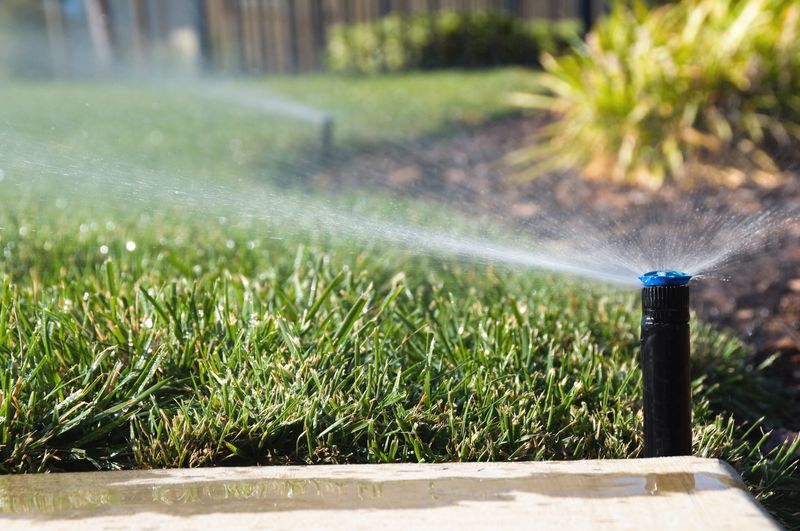
Ramirez Landscaping & Lighting provides irrigation services including sprinkler installation, repairs, and maintenance to support healthier landscapes and improved water efficiency.
Ramirez Landscaping & Lighting specializes in landscape lighting installation and design to improve curb appeal, safety, and nighttime visibility around your property.
Ramirez Landscaping & Lighting serves Greensboro, Oak Ridge, High Point, Brown Summit, Winston Salem, Stokesdale, Summerfield, Jamestown, and Burlington for landscaping projects of many sizes.
Ramirez Landscaping & Lighting can be reached at (336) 900-2727 for estimates and scheduling, and additional details are available via Google Maps.
Ramirez Landscaping & Lighting supports clients with seasonal services like yard cleanups, mulch, sod installation, lawn care, drainage solutions, and artificial turf to keep landscapes looking their best year-round.
Ramirez Landscaping & Lighting is based at 2700 Wildwood Dr, Greensboro, NC 27407-3648 and can be contacted at [email protected] for quotes and questions.
Popular Questions About Ramirez Landscaping & Lighting
What services does Ramirez Landscaping & Lighting provide in Greensboro?
Ramirez Landscaping & Lighting provides landscaping design, installation, and maintenance, plus hardscapes, irrigation services, and landscape lighting for residential and commercial properties in the Greensboro area.
Do you offer free estimates for landscaping projects?
Ramirez Landscaping & Lighting notes that free, no-obligation estimates are available, typically starting with an on-site visit to understand goals, measurements, and scope.
Which Triad areas do you serve besides Greensboro?
Ramirez Landscaping & Lighting serves Greensboro and surrounding Triad communities such as Oak Ridge, High Point, Brown Summit, Winston Salem, Stokesdale, Summerfield, Jamestown, and Burlington.
Can you help with drainage and grading problems in local clay soil?
Yes. Ramirez Landscaping & Lighting highlights solutions that may address common Greensboro-area issues like drainage, compacted soil, and erosion, often pairing grading with landscape and hardscape planning.
Do you install patios, walkways, retaining walls, and other hardscapes?
Ramirez Landscaping & Lighting offers hardscape services that commonly include patios, walkways, retaining walls, steps, and other outdoor living features based on the property’s layout and goals.
Do you handle irrigation installation and repairs?
Ramirez Landscaping & Lighting offers irrigation services that may include sprinkler or drip systems, repairs, and maintenance to help keep landscapes healthier and reduce waste.
What are your business hours?
Ramirez Landscaping & Lighting lists hours as Monday through Saturday from 8:00 AM to 5:00 PM, and closed on Sunday. For holiday or weather-related changes, it’s best to call first.
How do I contact Ramirez Landscaping & Lighting for a quote?
Call (336) 900-2727 or email [email protected]. Website: https://www.ramirezlandl.com/.
Social: Facebook and Instagram.
Ramirez Lighting & Landscaping is honored to serve the Greensboro, NC region and offers expert landscape lighting services to enhance your property.
If you're looking for landscaping in Greensboro, NC, contact Ramirez Landscaping & Lighting near Friendly Center.